
Are you looking to build an Amazon business that’s scalable and highly profitable? Have you experimented with other models, like retail arbitrage, and are looking to take your business to the next level? Then you’re probably ready to become an Amazon wholesale seller. So, how do you start a wholesale business? Read our complete guide to learn everything you need to know.
So, what is wholesale selling? It’s when you sell branded products that you source directly from authorized suppliers (also known as wholesalers). This requires buying products in larger quantities, which means you’ll need a bigger budget. However, your per-item price will be much less than if you bought your inventory from a retail store. This means there’s potential for higher profits. Wholesale provides a great way to get into online sales. If you’re interested in learning how to become an Amazon reseller, follow these steps.
Wholesale selling might seem intimidating at first, but it’s actually fairly easy to get started. Follow the steps below to learn how to sell wholesale goods on Amazon.
Whether you decide to sell books or clothing, your first step is to decide which wholesale products to sell on Amazon. It may be tempting to simply pick items that you think are cool or interesting, but if you really want to be successful, you need to make decisions based on factual data. As a wholesale seller, there are two ways you can go about finding new products:
Whether you begin your search with or without a supplier in mind, conducting thorough product research is crucial. Fortunately, there are some great tools available to assist you with finding the best products to sell.
To streamline the time-consuming process of finding an ideal product, you can start with the Amazon Dropshipping, Arbitrage, and Wholesale Extension.
Step 1: Install the extension. You can add the plugin through this link.
Step 2: Start your free trial. You do not need to enter your payment details.
Step 3: Browse Amazon to find product ideas. Start by opening Amazon.com to search for a niche.
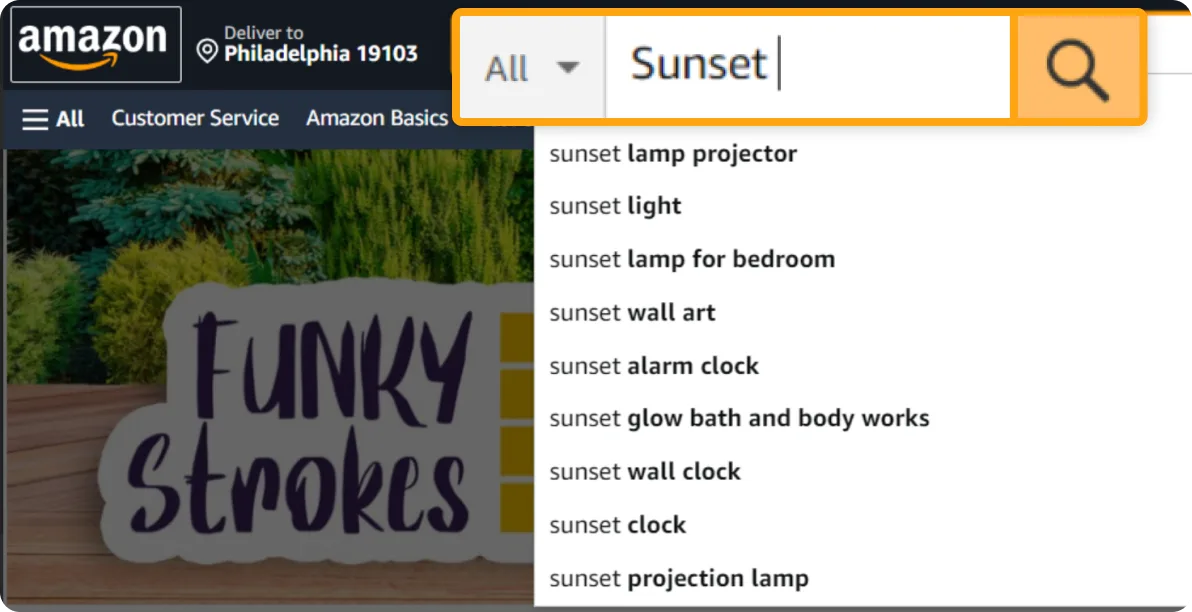 Your search may include:
Step 4: Prioritize your product ideas. Scroll through Amazon search results while checking the data underneath each product. The Online Arbitrage and Dropshipping extension will show you:
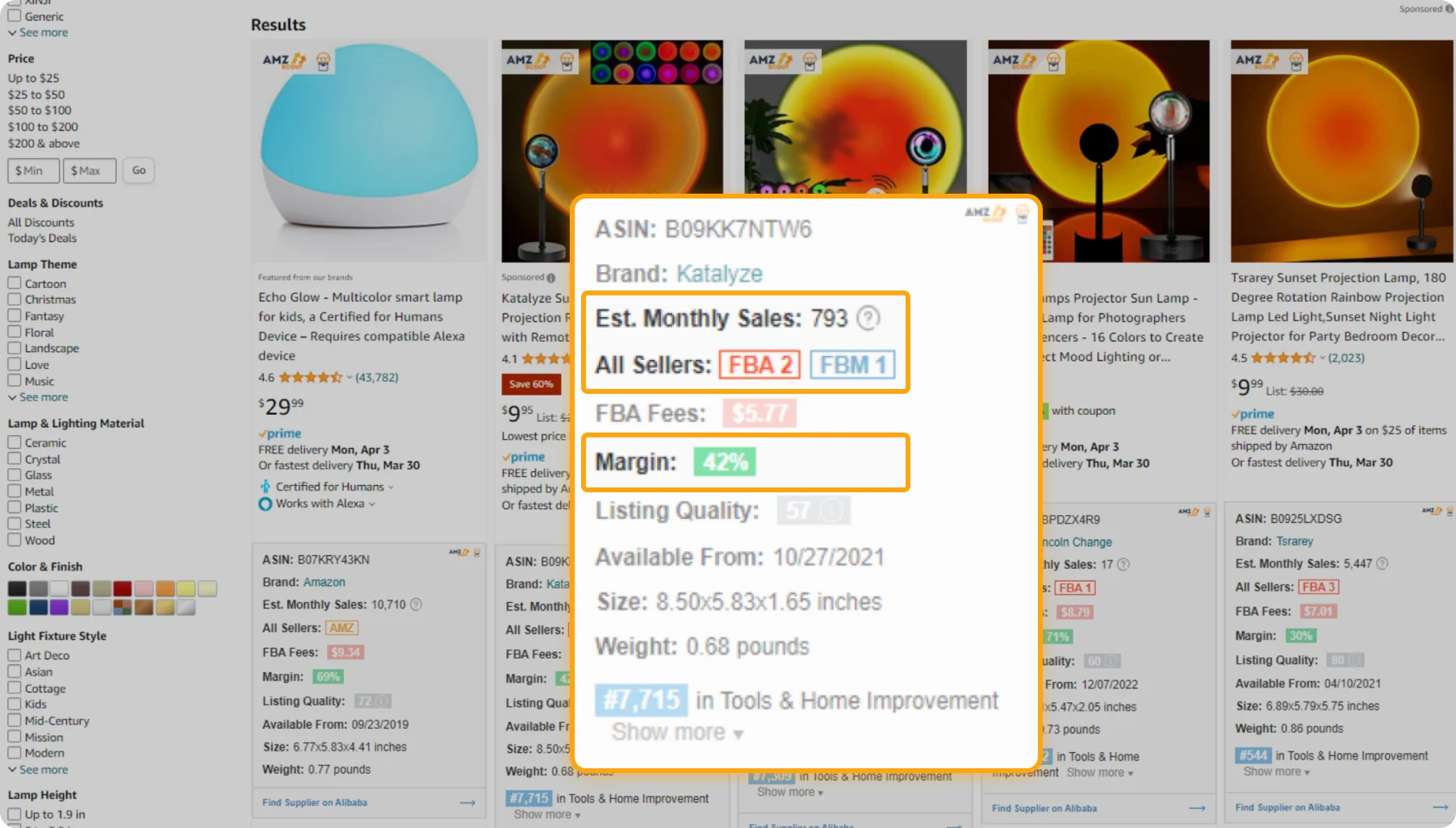
Using the tips above, you can mark priority products and look at each of them more closely.
Step 5: Check the TOP products from your list. Each Amazon product page will have a built-in window with important information about the product. Check for private label, ungated, and hazmat products. You can find out more about these product aspects below.

Step 6: Review the historical data of the product. After checking your product criteria in the app and narrowing down your list of products, check Price History and Buy Box History. Looking at price fluctuations can help you develop the best repricing strategy. Whether you’re selling t-shirts or guitars, repricing can help you remain competitive.

Step 7: Find out how much potential profit it offers. The on-page calculator enables you to enter your costs. Your costs will depend on your business model and may include:
The app quickly calculates your sales margins with this data. You’ll see new numbers in the Profit Margin, Minimum Net, and ROI fields. These numbers determine how profitable the product will be. By following the steps above, you’ll be well on your way to finding profitable products. Having a list of products worth considering enables you to make more effective business decisions.
If you don’t have a specific product in mind, start with the Amz innovators Product Database, which includes data on over 600 million items. You can narrow down results by applying filters such as your desired revenue, number of competitors, price range, and more. The tool also highlights newly added and trending products so you can spot fresh opportunities. Next, use the Amz innovators PRO AI Extension to dive deeper into product analysis. This tool helps you verify whether the product aligns with your business model and goals. The AI features quickly summarize the product’s pros and cons, estimate profitability, and even suggest improvements, making it an ideal tool if you’re planning to launch your own brand. Once you identify a promising product, search for suppliers by entering the product name + "wholesale" on Google. This will help you discover potential partners, which we’ll cover in more detail in the next step.
Understanding which factors determine how easy it is to resell the product will determine your next steps. Use Amz innovators’s Online Arbitrage and Dropshipping Extension to check these important criteria:
By following the steps above, you’ll be well on your way to finding profitable products. Having a list of products worth considering enables you to make more effective business decisions. If you don’t have a specific product or supplier, you can use the Amz innovators Product Database. Narrowing down your needs by specific product criteria can help you. This tool features a variety of search filters including sales, reviews, price, and weight, that let you narrow down your search to include only those items with the most potential for profits. It also lets you search for new products or ones that have been trending up for the last few months.
Step 1: Go to the Amz Innovators Product Database.
Step 2: Start your free trial. Enter your email (no payment details necessary).
Step 3: Use the search filters to define your criteria. Search for products based on prices, seller type, margin, and more. You can target high sales (at least 300 monthly), few sellers (you can set the range from 2 to 20), and seller type (FBA or Merchant).
Step 4: Narrow down your search. Use the category filter and select categories based on where other sellers have been successful and where your interests are. You can also save time using ready-made set-ups with the Product Selections feature.
Step 5: Click “Find Products” to get your results.
Step 6: Make a list of the items you’re most interested in. Make a list of items with all the important stats (sales, reviews, etc.) needed to assess product viability.
After you’ve utilized the Product Database to narrow your product list, you have one final step. The Amz Innovators PRO AI Extension enables you to narrow down your list of products further with more important data.
Step 1: Install the PRO AI Extension and start your free trial.
Step 2: Browse Amazon. Open Amazon and search for a Product or Niche for analysis. You can compare separate branded products or those found using the database.
Step 3: Open the extension. Click the Amz Innovators icon in the top right corner of your internet browser while you’re on any Amazon product page.
Step 4: Check product sales.
Step 5: Pay attention to the ratio of sales/sellers. Divide all product sales by the number of sellers to see your potential portion of sales. More sellers mean higher competition, and less profits for everyone to share.
Step 6: Get additional data to make the right decisions. Check the product score for reselling, sales margins, sales history, and more.
Once you find a promising product, you can find suppliers by typing “product name” + “wholesale” in a Google search. Doing so will help you find suppliers, which we will discuss further in step three.
If you haven’t already, you can now create your Amazon Seller Account. To do so, go to this page. As a wholesaler, you’ll need to apply for a professional account, which costs $39.99/month. Professional accounts get access to advanced tools and reports you need to compete and work as a wholesaler. Don’t bother with an individual account, as those are better for personal use. To sign up, choose your preferred option and follow the on-screen instructions. You’ll need a form of government ID, a credit card, and your tax information to complete the process.
Once you know what you want to sell, you’ll need to find a wholesale supplier who can provide you with that product. Conducting a Google search is a free and easy method, although it can be time-consuming. Enter the name of the brand you’re interested in, followed by “authorized supplier/distributor” to find supplier websites. You can also use wholesale directory sites. Some of the most popular ones are:
A lot of Amazon sellers use Alibaba to find suppliers. While this site is a great resource, you won’t find brand-name products here. Alibaba is best suited for retailers who want to create their own private label items. Contact a few different suppliers to see what their minimum order quantities are and what type of price they can offer you. Most wholesalers are willing to negotiate, so don’t be afraid to counteroffer and try to get the best deal possible.
Big brands tend to be protective of their products, so, you may have to prove that you can be an asset to them before they let you sell their goods. Here are a few tips to help you effectively reach out to wholesale suppliers: Get noticed. In order to get noticed, you need to be professional and have a plan. You can prove your professionalism by presenting yourself as a business. This means you should have a website, a professional email address, and a business plan showing the wholesaler how you plan to promote their products. Offer value to the brand. Show the distributor how your skills can add more value to their brand. You can do this by offering advertisement improvements and showing your past experience growing other brands. You can also show how reliable you are by showcasing your number of on-time deliveries and customer reviews. Negotiate for the best deal. Talk with the distributor to get the best deal. The quality of your past wholesale experience is your best tool here. You can also offer to purchase more goods at a greater discount, ask for a higher quantity price, and have the supplier prep and ship merchandise to Amazon for you. You might have to try many times, as it can be difficult to get approval from some brands, but don’t let that discourage you. Start with a smaller test order, and if that goes well move on to bigger orders.
After you receive your inventory from your supplier, it’s time to list your product on Amazon. Go to your Seller Central account and under “Inventory”, click “Add a Product”. Then you’ll be able to search for your item by name or ASIN number. In most cases, your product will already be listed on Amazon. If this is the case it will show up in the search results. Simply select it from the list and you’ll be added to the existing listing for that item. If your product isn’t already listed on Amazon, then you’ll need to create a new listing. Be sure to use high-quality images. Your supplier might be able to supply you with some photos you can use. You’ll also want to do some keyword research by using tools like Amz Innovators’s Keyword Search and Reverse ASIN Lookup. Identify which keywords people use most frequently to search for your item and include them throughout your description.
After you start getting sales you’ll need to stay on top of them to ensure that your customers receive their orders in a timely fashion. To make things easier you may want to consider using the Fulfilment by Amazon (FBA) program. An FBA wholesale business works by shipping all of your inventory to Amazon, and they store it for you in one of their warehouses. Then, when someone places an order, they’ll ship the product to the customer. There are some added fees that you’ll have to pay for these services, but the convenience is more than worth it. There are also some added perks, such as: Your items qualify for Prime shipping. Amazon will handle all customer service related to shipping. You don’t have to worry about order fulfillment, so can just focus on managing your business. As you’re selling products, be sure to keep an eye on your inventory. Running out of inventory means you’ll be unable to make any sales. It also hurts your Amazon rankings, so don’t let that happen. It’s important to order more items well in advance to ensure that your new shipment arrives before you sell out.
Why should you start wholesaling on Amazon? Below, you’ll find some compelling advantages of this sales model to consider for your business:
If you want to start an Amazon wholesale business, you need to be aware of potential pitfalls. Below, we’ll go through some of the negative things to keep in mind when reselling wholesale goods on Amazon. You’ll need a bigger budget. Wholesale suppliers generally have minimum order quantities that are quite high. This means your initial investment will be larger, so you’ll need to have some money saved up. More risk. Because you’re spending more, you’re also taking on more risk. If you buy a bunch of inventory that doesn’t sell, you could potentially lose money. It can be difficult to get approved. It takes time to find suppliers, negotiate with them, and get approved to sell their products. Although, once this is done, this type of business is very manageable. There are rules to follow. Brands often have their own rules/conditions/terms that you need to follow in order to sell their products. This can include rules on pricing, advertising, etc. There are potential setbacks to all business models. So, while these might seem a bit daunting, they shouldn’t be a reason to abandon the option of wholesale completely. Instead, use this knowledge to overcome wholesale’s natural hurdles

There are a number of differences when it comes to wholesale selling vs. other strategies (like retail arbitrage, online arbitrage, private label etc.):
We’ve provided you with all of the information you need to get your Amazon wholesale business started. Here are a few more tips to help maximize your profits:
Most importantly, never stop learning, and continue trying new strategies to ensure your business is always optimized.
Amazon wholesale selling is a great way to build a profitable eCommerce business. Follow the steps listed above, and use Amz Innovators’s tools, to find the right products and get your business started.